Charcoal briquettes are a popular choice for grilling and heating due to their affordability and efficiency. Among the various raw materials available for briquette production, sawdust stands out as a preferred option. This article explores the reasons why sawdust is an ideal material for producing charcoal briquettes, highlighting its availability, environmental benefits, and performance characteristics.
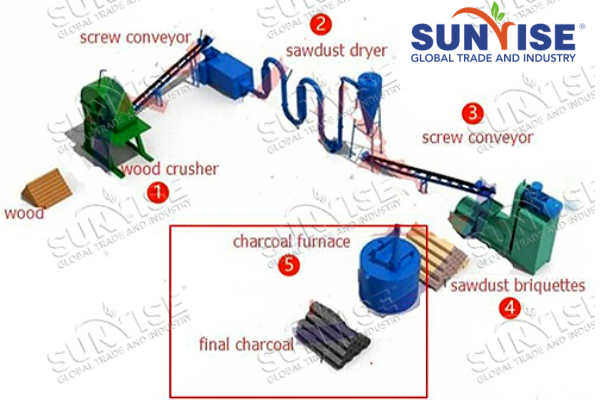
Abundance and Availability
Byproduct of the Wood Industry
Sawdust is a byproduct of the wood industry, generated in significant quantities from activities such as milling, cutting, and sanding. Its abundance makes it readily available and cost-effective for use in charcoal briquette production. Utilizing sawdust helps in managing waste produced by the wood industry, transforming what would otherwise be discarded into a valuable resource.
Cost-Effectiveness
The widespread availability of sawdust contributes to its low procurement cost. As a byproduct, sawdust is often considered waste and may be obtained at a reduced price compared to primary raw materials. This makes the production of charcoal briquettes more economically viable and allows manufacturers to offer competitive pricing to consumers.
Environmental Benefits
Sustainable Resource Utilization
Using sawdust for charcoal briquettes promotes sustainable resource utilization by repurposing wood waste. This reduces the need to harvest additional trees for charcoal production, conserving forest resources and maintaining ecological balance. Sawdust briquettes thus align with principles of sustainability and resource efficiency.
Reduction of Landfill Waste
By converting sawdust into charcoal briquettes, manufacturers help reduce the volume of waste sent to landfills. This not only conserves landfill space but also decreases the environmental impact associated with waste decomposition. Additionally, producing briquettes from sawdust generates fewer greenhouse gas emissions compared to traditional charcoal production methods.
Superior Briquette Performance
High Density and Calorific Value
Sawdust-based charcoal briquettes are known for their high density and calorific value. The compact structure of the briquettes ensures a longer and more efficient burn, making them ideal for cooking and heating applications. This performance advantage enhances user experience by providing consistent heat output and reducing the frequency of refueling.
Clean Combustion
Sawdust briquettes are characterized by their clean combustion properties. They produce minimal smoke and ash, offering a more pleasant cooking or heating experience compared to conventional wood or lump charcoal. This feature is particularly attractive to environmentally conscious consumers seeking cleaner energy alternatives.
Conclusion: The Smart Choice for Briquette Production
In summary, sawdust is the material of choice for producing charcoal briquettes due to its abundance, cost-effectiveness, environmental benefits, and superior performance. By leveraging the advantages of sawdust, manufacturers can produce high-quality briquettes that meet consumer demands for affordability and sustainability. As the world increasingly turns towards eco-friendly solutions, sawdust-based charcoal briquettes represent a smart and responsible choice for both producers and consumers alike. Visiting: https://www.char-molder.com/product/sawdust-briquette-charcoal-making-machine/
Leave a Reply