As global demand for sustainable fuel, biochar, and biomass recycling continues to grow, more entrepreneurs are turning their attention to the carbonization industry. If you are looking for a promising business opportunity in 2026, starting a carbonization business with the right machine could be a smart and profitable move.
Carbonization is the process of converting biomass waste such as wood chips, coconut shells, rice husks, sawdust, bamboo, and agricultural residues into high-value charcoal, biochar, or carbon-rich materials through high-temperature treatment in a low-oxygen environment. With the right setup, this business can help solve waste disposal problems while creating multiple revenue streams.
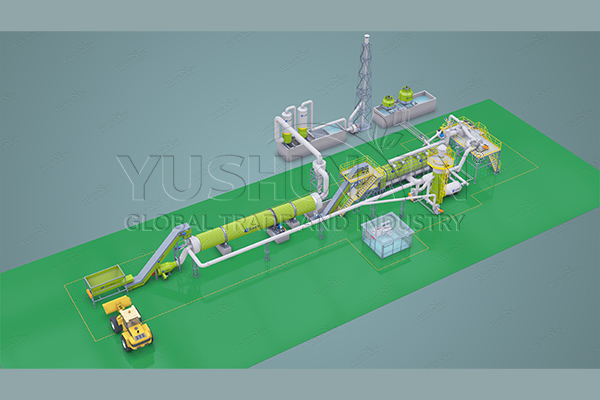
Why the Carbonization Business Is Growing Fast
The carbonization market is expanding because industries and consumers are actively seeking eco-friendly alternatives to traditional fuels and waste treatment methods. Biomass waste is widely available in many countries, especially in agricultural and forestry regions. Instead of burning or dumping these materials, carbonization allows businesses to transform them into valuable products.
Charcoal and biochar have a wide range of uses. Charcoal is commonly used for barbecue fuel, industrial heating, hookah products, and metallurgical applications. Biochar is increasingly popular in agriculture because it can improve soil quality, enhance water retention, and support carbon sequestration goals. This growing demand creates strong business potential for investors and manufacturers.
What Materials Can Be Carbonized?
One of the biggest advantages of this business is the wide variety of raw materials that can be used. A carbonization machine can process:
Sawdust
Rice husk
Coconut shell
Palm kernel shell
Bamboo
Wood chips
Peanut shells
Bagasse
Corn stalks
Sewage sludge in some advanced systems
If you have access to low-cost or free biomass waste, your profit margin can become much more attractive.
Why Choosing the Right Carbonization Machine Matters
The success of your carbonization business largely depends on selecting the right equipment. A modern carbonization machine can improve production efficiency, lower energy consumption, and ensure consistent output quality.
When choosing a machine, consider the following factors:
- Raw Material Compatibility
Different machines are designed for different feedstocks. Make sure the equipment can handle your available biomass materials efficiently. - Capacity Requirements
Do you plan to start small or aim for industrial-scale production? Carbonization machines come in various capacities, so it is important to match the machine to your production goals and budget. - Continuous vs. Batch Operation
Continuous carbonization machines are ideal for large-scale operations that require stable, ongoing production. Batch machines may be suitable for smaller businesses or pilot projects. - Environmental Performance
A high-quality machine should include systems for treating exhaust gas, recycling combustible gas, and minimizing emissions. This not only supports environmental compliance but can also reduce operating costs. - Automation and Maintenance
Advanced machines often feature automatic feeding, discharging, and temperature control systems. These functions can save labor and improve operational safety.
Main Products and Profit Opportunities
A carbonization business is not limited to selling charcoal alone. Depending on your target market, you can generate revenue from several products:
Charcoal for fuel and industrial use
Biochar for agriculture and environmental applications
Wood vinegar in some systems for agricultural and chemical uses
Combustible gas that can sometimes be recycled to heat the machine
Carbon credits or sustainability benefits in eco-focused markets
This diversified product potential makes carbonization an appealing business model for investors seeking long-term growth.
How to Start a Carbonization Business
Starting this business requires careful planning. Here are the key steps:
Research Your Market
Identify local demand for charcoal, biochar, or related carbon products. Learn who your buyers are and what specifications they need.
Secure Raw Material Supply
Establish reliable sources of biomass waste. Long-term supply agreements with farms, wood processors, or food manufacturers can help stabilize your operations.
Choose the Right Machine Supplier
Work with an experienced manufacturer that offers not only equipment but also installation guidance, training, and after-sales service.
Prepare the Site and Permits
Your plant should have enough space for raw material storage, machine installation, finished product handling, and environmental treatment systems. Be sure to check local regulations and permits.
Build a Sales Strategy
Develop sales channels for your products through wholesalers, industrial users, agricultural suppliers, or online platforms.
The carbonization industry offers a compelling combination of environmental value and commercial potential. By turning biomass waste into useful carbon products, you can build a business that supports sustainability while generating stable profits.
If you want to enter a fast-growing sector with long-term opportunities, starting a carbonization business with the right machine may be the perfect next step. With the right planning, reliable raw materials, and efficient equipment, your carbonization venture can become a successful and future-ready enterprise.
Leave a Reply