Overview: What “Total Investment Cost” Really Means
The total investment cost of a charcoal briquette plant is more than the price tag of a briquetting machine. For investors, it includes all capital expenditures (CAPEX) required to reach stable commercial production, plus the working capital needed to buy raw materials, pay labor, and cover utilities before revenue is collected. Costs vary widely by plant capacity, automation level, product type (shisha/hookah briquettes vs. industrial fuel briquettes), and whether the project is built from new or refurbished equipment.
Core Equipment Costs: The Production Line
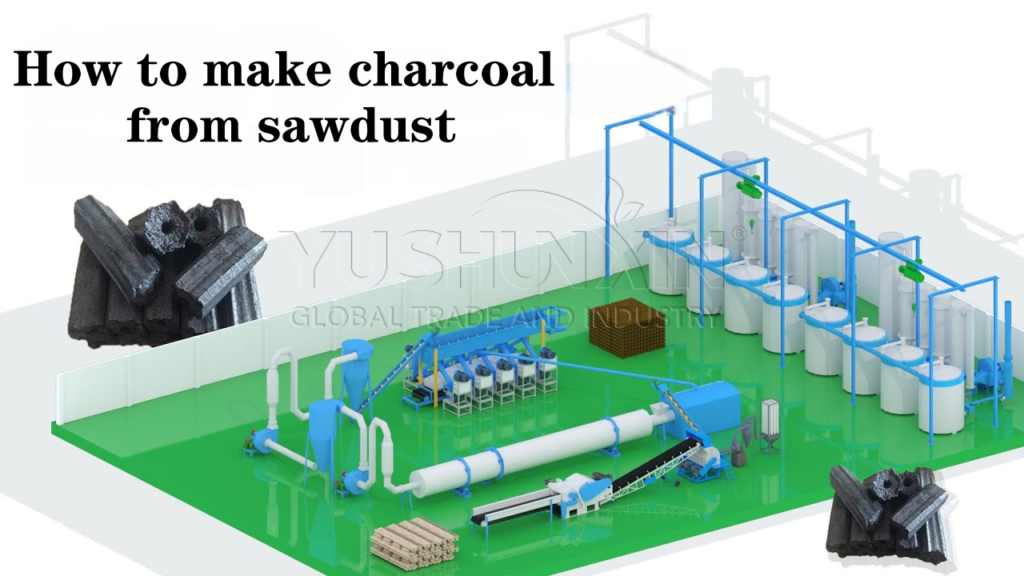
Most briquette plants include several essential sections. First is raw material preparation, such as crushers, hammer mills, screens, and sometimes mixers or conveyor systems. Next is drying, which can be a simple sun-drying yard, a rotary dryer, or a belt dryer—often one of the largest cost items when moisture control is critical. The heart of the plant is briquetting and shaping, typically using roller presses, extrusion presses, or hydraulic presses, followed by cutting and cooling. Finally, there is post-processing, including carbonization (if producing charcoal briquettes from biomass), curing, polishing, grading, and packaging. If your model uses charcoal fines as the primary input, you may reduce carbonization CAPEX but still need consistent sizing and mixing.
Civil Works and Infrastructure: Hidden but Significant
Civil construction can represent a major portion of total investment. This includes land preparation, concrete foundations, plant buildings, storage warehouses, offices, roads, and drainage. Utilities infrastructure—power distribution, backup generators, water supply, compressed air lines, and fire safety systems—also add substantial cost. Investors should not overlook dust control, ventilation, and safe storage areas, since briquette plants handle fine particles that can create both housekeeping and safety requirements.
Installation, Commissioning, and Compliance
Beyond purchasing equipment, you must budget for shipping, import duties, rigging, installation, and commissioning. Many projects underestimate engineering and integration, especially when multiple suppliers are involved. Environmental and regulatory costs may include emissions controls, noise management, occupational safety upgrades, and permitting fees. For export-oriented plants, add quality testing tools (moisture meters, calorific value testing partnerships, consistent packaging specs) to meet buyer requirements.
Working Capital and Ramp-Up: The Cash You Need to Start
Even after construction, a briquette plant usually needs 1–3 months of operating cash to cover raw materials (charcoal fines or biomass), binders (such as starch), packaging materials, wages, and utilities. Because yield losses and downtime are common during ramp-up, conservative investors also include a contingency budget. In practice, the most reliable cost plan is one that treats the project as a full system—equipment, site, people, and cash flow—rather than a single machine purchase. Visiting: https://www.char-molder.com/product/charcoal-briquette-machine-price/
Leave a Reply