Why Sawdust Charcoal Is a Good Low-Cost Business
Starting a sawdust charcoal business can be relatively affordable because the main raw material—sawdust—is often cheap or even free from sawmills, carpentry shops, pallet factories, and furniture makers. Demand is also steady: households use charcoal for cooking and heating, restaurants use it for grilling, and some buyers prefer sawdust briquettes because they burn longer and produce less smoke when made properly. With a small setup, you can begin locally and expand as you learn how to control quality and scale production.
Secure Raw Materials and Keep Them Consistent
Your first priority is a reliable sawdust supply. Try to source sawdust that is clean and uniform, ideally from hardwood, and avoid sawdust mixed with paint, glue, or plastics because it affects smell, smoke, and safety. Since moisture content strongly impacts briquette strength and carbonization efficiency, plan for simple drying: a covered storage area, tarps, raised pallets, and sun-drying racks can work at the beginning. Consistency matters more than volume when you’re trying to build repeat customers.
Start Small with Basic Equipment
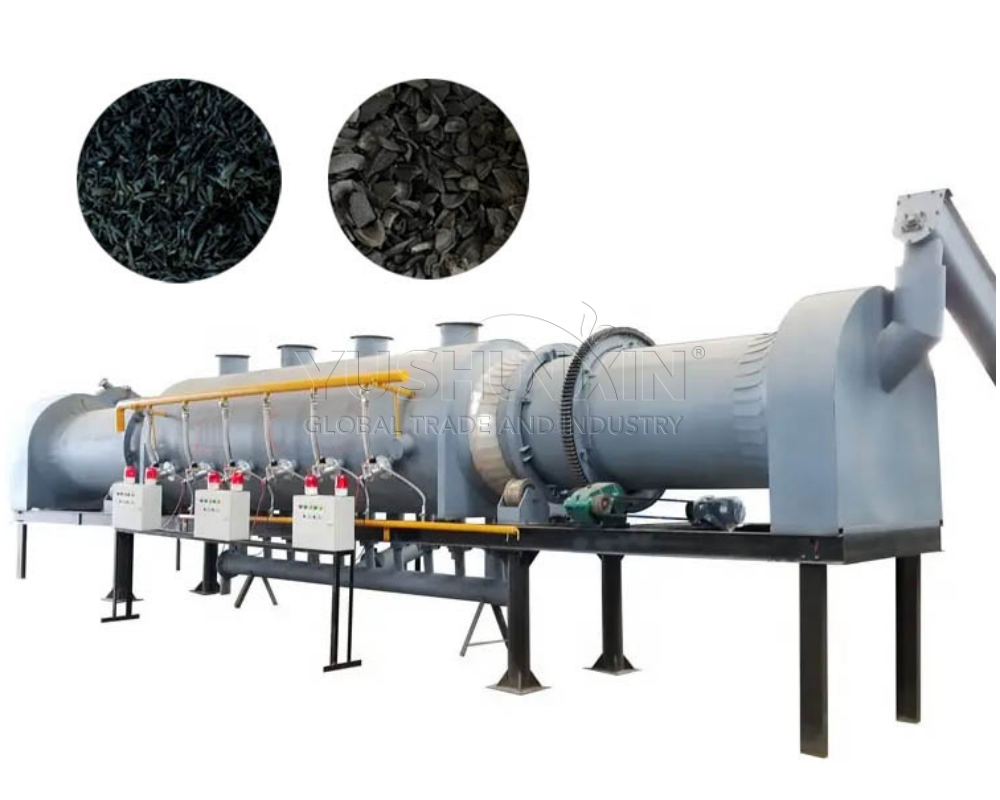
A low-investment setup usually includes: a sieving screen, mixing tools, a manual or small motorized briquette press, and a simple carbonization unit such as a drum kiln or small brick kiln. Many beginners start by producing raw briquettes first and selling them as fuel, then upgrade to carbonized briquettes later. If you aim directly for charcoal briquettes, you’ll need carbonization plus a crushing step (to turn charcoal into powder) and a binder mixing step before pressing again. Keep your first equipment choices simple, repairable, and compatible with your local power supply.
Production Basics: Binder, Pressing, and Carbonization
Sawdust charcoal briquettes often require a binder like cassava starch. The binder ratio, water content, and pressing pressure determine whether briquettes hold together or crumble in transport. After pressing, dry the briquettes thoroughly; wet briquettes crack, smoke, and break during carbonization. Carbonization is where quality is won or lost—control airflow to avoid burning your product into ash, and cool the charcoal fully before packing to prevent fires.
Packaging and Selling for Fast Cash Flow
For low investment, focus on nearby buyers first: food stalls, barbecue restaurants, roadside vendors, and local retailers. Use simple packaging (small bags with a label) and emphasize practical benefits like long burn time, low smoke, and consistent size. Offer samples and collect feedback. Early on, cash flow is more important than maximum margin, so produce steady volumes and reinvest profits into better drying space, a stronger press, and safer kilns.
Common Mistakes to Avoid
The biggest pitfalls are inconsistent moisture, weak briquettes, and unsafe handling of hot charcoal. Also, don’t underestimate logistics: dust control, storage space, and transportation can decide whether you stay profitable. Start with a small, repeatable process, document your mix ratios and drying times, and upgrade step-by-step as sales become predictable. Visiting: https://www.ysxcharpro.com/product/sawdust-charcoal-machine-line/
Leave a Reply