Introduction to Biochar and Carbon Dioxide Removal (CDR)
As the global community grapples with the escalating challenge of climate change, innovative solutions are being sought to reduce atmospheric carbon dioxide (CO2) levels. Among these, biochar has emerged as a promising tool for permanent carbon removal. Biochar, a stable, carbon-rich material derived from organic biomass through pyrolysis, offers a viable pathway for carbon sequestration. Its potential role in carbon dioxide removal (CDR) markets is gaining traction due to its environmental benefits and economic viability.
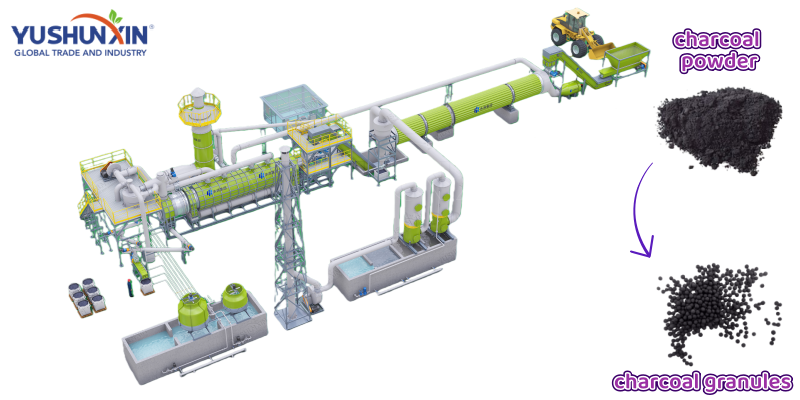
Understanding Biochar: The Basics
Biochar is produced by heating organic material, such as agricultural waste, wood chips, or plant residues, in an oxygen-limited environment. This process, known as pyrolysis, converts the biomass into a stable form of carbon that resists decomposition. Unlike other forms of biomass, biochar retains a significant portion of the carbon content, effectively locking it away from the atmosphere for hundreds to thousands of years. This stability makes biochar an attractive option for long-term carbon sequestration efforts.
Biochar’s Role in Carbon Sequestration
The unique properties of biochar enable it to play a crucial role in carbon sequestration. When applied to soil, biochar enhances soil fertility, improves water retention, and reduces the need for chemical fertilizers. More importantly, biochar acts as a carbon sink, storing carbon in the soil and preventing its release into the atmosphere. This process not only helps mitigate climate change but also boosts agricultural productivity, creating a win-win scenario for both the environment and farmers.
Integration into CDR Markets
Biochar’s potential for permanent carbon removal is driving its integration into CDR markets. Carbon markets are emerging platforms where carbon credits are bought and sold, enabling organizations to offset their emissions by supporting carbon-negative projects. By producing and applying biochar, companies can generate carbon credits that represent a tangible reduction in atmospheric CO2 levels. This aligns with global efforts to achieve net-zero emissions and provides a financial incentive for adopting sustainable practices.
Economic and Environmental Benefits
The economic benefits of biochar extend beyond carbon credits. By improving soil health, biochar can increase crop yields and reduce the reliance on costly fertilizers. Furthermore, the production of biochar from waste biomass creates a circular economy, turning waste products into valuable resources. Environmentally, biochar contributes to biodiversity, reduces greenhouse gas emissions from soils, and promotes sustainable land management practices.
Conclusion: The Future of Biochar in CDR
As the urgency to address climate change intensifies, biochar stands out as a promising solution for carbon removal. Its integration into CDR markets not only offers a pathway for permanent carbon sequestration but also delivers economic and environmental benefits. By harnessing the potential of biochar, we can move closer to a sustainable future where carbon is effectively managed and climate resilience is strengthened. With continued research, investment, and policy support, biochar can become a cornerstone of global carbon management strategies. Visiting: https://www.ysxcharpro.com/product/biochar-production-solution-for-cdr-integration/
Leave a Reply