Introduction to Sawdust Charcoal Briquette Production
The increasing demand for sustainable and eco-friendly energy solutions has led to a surge in interest in sawdust charcoal briquettes. These briquettes offer a renewable energy source while also providing a way to repurpose waste materials, such as sawdust, into valuable products. Setting up a sawdust charcoal briquette production line involves several steps and considerations, with varying costs depending on the scale and technology employed.
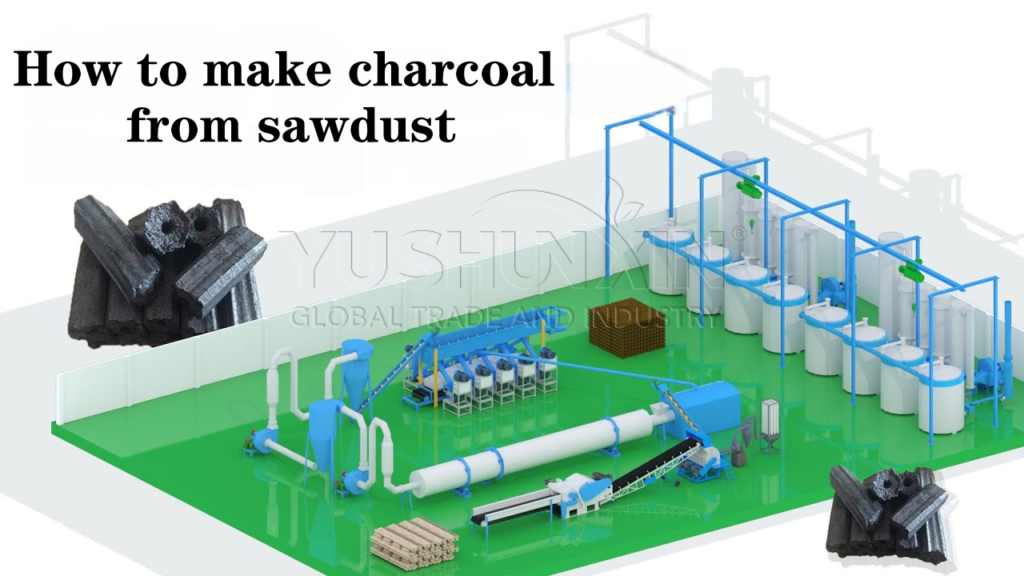
Initial Investment: Machinery and Equipment
The foundation of any briquette production line is its machinery. Key components include the crusher, dryer, briquette press, and carbonization furnace. The crusher processes raw sawdust into a consistent size, while the dryer reduces moisture content to optimal levels for briquetting. The briquette press compacts the sawdust into dense briquettes, and the carbonization furnace converts these into charcoal. Costs for these machines range significantly based on capacity and technology, with small-scale setups starting around $10,000 and larger, automated systems exceeding $50,000.
Infrastructure and Facility Setup
Establishing the physical space for production is another significant cost consideration. This includes the construction or rental of factory premises, installation of electrical and water systems, and provision of storage facilities for raw materials and finished products. Depending on location and size, infrastructure costs can range from $5,000 to over $50,000. Factories located in industrial zones may incur lower utility costs but higher rental fees, while rural locations might offer cheaper land but require investment in infrastructure development.
Raw Material Procurement
The cost of raw materials is a critical ongoing expense in briquette production. Sawdust, the primary input, can often be sourced from local sawmills or wood processing facilities. Prices vary widely based on availability and distance from the production site, typically ranging from $20 to $50 per ton. Establishing long-term contracts with suppliers can help stabilize costs and ensure a consistent supply of raw materials.
Labor and Operational Costs
Labor costs are influenced by the scale of operation and level of automation. A small-scale production line might require a handful of workers, while larger facilities may employ dozens. In addition to salaries, operational costs include maintenance, utilities, and transportation. Overall, these costs can account for 15-30% of the total operational budget, with fluctuations based on local wage standards and energy prices.
Marketing and Distribution
Once production is underway, marketing and distribution become key to profitability. Developing a brand, creating packaging, and establishing distribution networks require investment. Marketing costs might include advertising, promotional events, and partnerships with retailers or distributors. Initial marketing expenses can range from $5,000 to $20,000, depending on the strategy and target market.
Conclusion: Total Cost Estimation
Setting up a sawdust charcoal briquette production line involves substantial initial and ongoing costs, but offers significant potential for profit and sustainability. A comprehensive cost breakdown reveals that initial investments can start around $20,000 for small-scale operations and exceed $100,000 for larger, automated lines. By carefully managing these costs and optimizing operations, businesses can capitalize on the growing demand for eco-friendly fuel alternatives and contribute to environmental sustainability. Visiting: https://www.char-molder.com/product/sawdust-briquette-charcoal-making-machine/
Leave a Reply