Introduction to Carbonization Technologies
Carbonization is an essential process in converting organic materials into carbon-rich products, such as biochar or activated carbon. This transformation is crucial for various industries, including agriculture, energy production, and environmental management. Two predominant technologies exist for carbonization: continuous and batch processes. Each has its unique advantages and challenges, particularly concerning return on investment (ROI). Understanding these differences is key to determining which technology offers the best financial outcome for specific applications.
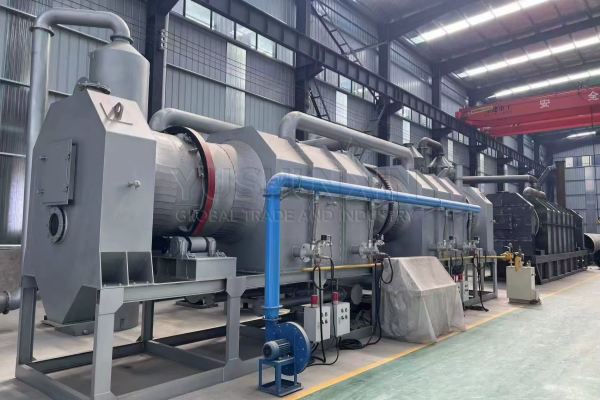
Understanding Continuous Carbonization
- Process Overview
Continuous carbonization involves the uninterrupted processing of raw materials through a system designed for steady-state operation. Materials are fed into the reactor at a constant rate, ensuring a continuous flow of products. This method is generally favored for its efficiency and capacity for handling large volumes of material.
- Advantages of Continuous Systems
Continuous carbonization systems often deliver higher throughput and can be more energy-efficient than batch systems. The steady operation allows for better temperature control and consistency in product quality. Additionally, continuous systems typically require less labor once operational, contributing to lower long-term operational costs and potentially higher ROI.
Exploring Batch Carbonization
- Process Overview
In contrast, batch carbonization processes treat a set amount of material in a single cycle. Once the cycle is complete, the reactor must be emptied and reloaded before the next cycle can begin. This start-stop nature allows for flexibility in processing different types of materials and adapting to changes in production needs.
- Advantages of Batch Systems
Batch carbonization offers greater flexibility and control over individual batches of material, making it ideal for specialized products or smaller operations. This flexibility can be advantageous for businesses that require precise control over product quality or need to frequently change feedstock types. It also allows for easier testing of new materials and processes, potentially leading to innovations and improvements.
Comparing ROI: Continuous vs. Batch
- Cost Considerations
Continuous systems often require a higher initial investment due to their complexity and scale. However, their efficiency and reduced labor costs can lead to a better ROI over time, particularly for large-scale operations. Batch systems, while potentially more labor-intensive, usually have lower upfront costs, making them more accessible for smaller businesses.
- Scalability and Flexibility
The scalability of continuous systems means they can handle increased demand without significant redesign, offering a pathway to higher revenues as markets grow. Batch systems, however, provide the flexibility to quickly adapt to market changes or experiment with new products, which can be crucial in rapidly evolving industries.
Conclusion: Choosing the Right Technology
The decision between continuous and batch carbonization technologies depends on a variety of factors, including production scale, financial resources, and specific business goals. For large-scale operations focused on efficiency and consistency, continuous systems may deliver a better ROI. In contrast, businesses seeking flexibility and the ability to innovate may find batch systems more advantageous. Ultimately, understanding the unique benefits and limitations of each approach is essential for optimizing carbonization processes and achieving the best financial returns. Visiting: https://www.char-molder.com/product/continuous-carbonization-furnace/
Leave a Reply