Introduction
In the pursuit of sustainable energy solutions, the design of carbonization machines plays a crucial role in converting biomass into charcoal. Among the various types of carbonization equipment available, the horizontal carbonization machine stands out for its efficiency and advanced design. This machine is specifically engineered to optimize the carbonization process, making it a key player in the production of high-quality charcoal from various biomass sources, such as wood, coconut shells, and palm shells. Below is a detailed exploration of the design and functionality of horizontal carbonization machines.
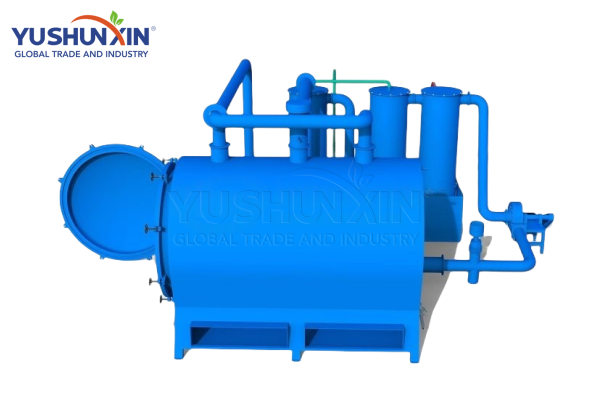
Basic Structure and Components
The horizontal carbonization machine is characterized by its elongated, cylindrical design, which allows for continuous feedstock processing. The main components of the machine include the feeding system, the carbonization chamber, the cooling system, and the discharge mechanism.
- Feeding System: This is designed to facilitate the seamless introduction of biomass into the carbonization chamber. Typically, the system includes a conveyor belt or a screw feeder, which ensures a consistent and controlled feed rate, critical for maintaining uniform carbonization.
- Carbonization Chamber: At the heart of the machine, the carbonization chamber is where the biomass undergoes thermal decomposition in a controlled environment. Constructed from high-temperature-resistant materials, the chamber is insulated to maintain optimal heat levels while preventing energy loss. It is equipped with temperature control systems to ensure precise regulation of the heat applied to the biomass.
Carbonization Process
The carbonization process within a horizontal machine is a continuous operation. Once the biomass enters the chamber, it is gradually heated to temperatures ranging from 400 to 600 degrees Celsius. The machine is designed to operate in the absence of oxygen, which is essential to prevent combustion and ensure effective carbonization. This design feature contributes to the production of high-quality charcoal with a high carbon content and reduced impurities.
Cooling and Discharge System
After carbonization, the charcoal needs to be cooled before it can be handled safely. The horizontal carbonization machine includes an integrated cooling system, which typically consists of a water-cooled jacket or air cooling, depending on the design. This system rapidly reduces the temperature of the charcoal, minimizing the risk of spontaneous ignition. Once cooled, the charcoal is automatically discharged from the machine through a conveyor or screw mechanism, ready for packaging or further processing.
Efficiency and Environmental Considerations
The horizontal carbonization machine is designed for high efficiency, capable of processing large volumes of biomass continuously. Its design minimizes energy consumption by recovering heat generated during the process, which is then reused to preheat incoming biomass. Additionally, the machine often includes a gas collection system to capture and utilize byproduct gases, such as carbon monoxide and methane, further enhancing energy efficiency and reducing environmental impact.
Conclusion
The design of horizontal carbonization machines represents a significant advancement in biomass processing technology. Its efficient structure and continuous operation capability make it an ideal choice for producing high-quality charcoal on a commercial scale. With its focus on energy efficiency and environmental sustainability, the horizontal carbonization machine is a vital tool in the transition towards more sustainable energy practices. Visiting: https://www.char-molder.com/faq-items/what-is-the-design-of-carbonization-furnace/
Leave a Reply