Introduction
Agricultural waste is a widely available and renewable resource that can be converted into valuable biochar briquettes. This process not only helps in managing agricultural residue but also provides a sustainable energy source. Biochar briquettes have numerous benefits, including improved soil fertility, carbon sequestration, and reduced reliance on fossil fuels. This passage will walk you through the steps required to convert agricultural waste into biochar briquettes, from material collection to briquetting and final storage.
Collecting Agricultural Waste
Identifying Suitable Waste Types
Agricultural waste can come from various sources, including crop residues (such as straw, husks, and stalks), pruning residues, and animal manure. The choice of waste material can significantly affect the quality of the biochar. Ideal materials are those with high carbon content and low moisture and ash levels. Common choices include rice husks, corn stover, coconut shells, and sugarcane bagasse.
Preparing the Waste
Once you have identified suitable agricultural waste, the next step is to prepare it for the biochar production process. This involves shredding or chopping the waste into smaller pieces to increase the surface area, which facilitates more efficient pyrolysis. Ensure that the moisture content of the material is reduced to around 10-15%, as high moisture levels can impede the pyrolysis process. This can be achieved through natural sun-drying or using mechanical dryers.
Pyrolysis Process
Setting Up the Pyrolysis Unit
The pyrolysis process involves heating the agricultural waste in the absence of oxygen to produce biochar. Set up a pyrolysis unit, which can be a simple kiln or a more sophisticated retort system, depending on your scale of operation and resources. Ensure the unit is placed in a well-ventilated area and follow all safety protocols.
Conducting Pyrolysis
Load the prepared agricultural waste into the pyrolysis unit and initiate the heating process. The temperature should be maintained between 400-600°C to ensure efficient conversion of biomass into biochar. Monitor the temperature and duration closely, as these parameters will affect the yield and quality of the biochar. The process typically takes several hours, during which volatile gases are released, leaving behind carbon-rich biochar.
Briquetting the Biochar
Mixing with a Binder
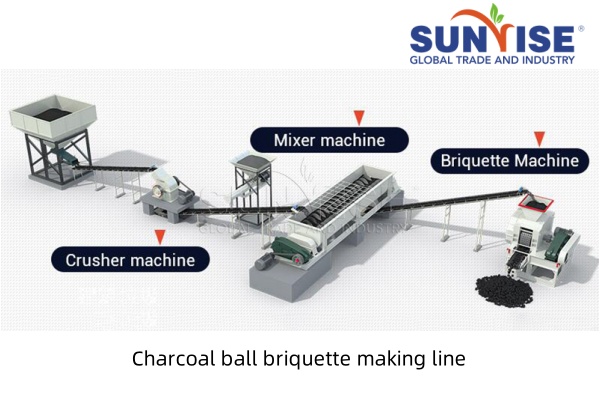
Once the biochar is produced, it must be ground into a fine powder to facilitate briquetting. This powdered biochar is then mixed with a binder, such as starch or molasses, to enhance the cohesiveness of the briquettes. The recommended binder-to-biochar ratio is around 1:10, but this can be adjusted based on the specific characteristics of the biochar.
Using a Briquetting Machine
Feed the biochar-binder mixture into a briquetting machine. This machine compresses the mixture under high pressure to form dense, uniform briquettes. Depending on the machine type, the briquettes may be extruded in a continuous form and then cut to size or formed as individual units. Ensure the machine is set up correctly and operated according to the manufacturer’s guidelines.
Post-Production Processing
Drying the Briquettes
After briquetting, the briquettes may still contain some residual moisture. Allow them to dry in a well-ventilated area or use a drying oven to ensure they reach optimal dryness. Proper drying prevents mold growth and increases the shelf life of the briquettes.
Storing the Briquettes
Store the dried briquettes in a cool, dry place away from direct sunlight and moisture. Use airtight containers or storage bags to protect them from humidity and pests. Proper storage ensures that the briquettes remain in good condition until they are ready for use.
Conclusion
Transforming agricultural waste into biochar briquettes is an effective way to manage biomass residue while producing a valuable energy source. By following the outlined steps—from collecting and preparing the waste to pyrolysis, briquetting, and storage—you can create high-quality biochar briquettes. This process not only provides an alternative energy solution but also contributes to environmental sustainability through waste management and carbon sequestration. With careful attention to each phase, you can achieve optimal results and make a positive impact on both the energy sector and the environment. Visiting: https://www.char-molder.com/faq-items/how-to-make-charcoal-briquettes-from-agricultural-waste/
Leave a Reply