In 2026, the price of a charcoal briquette making machine is influenced less by “one fixed number” and more by capacity, automation level, and the type of briquette you plan to produce. Demand for cleaner solid fuels, rising electricity costs, and stricter emissions expectations are pushing many buyers toward more efficient motors, sturdier gearboxes, and better dust control. As a result, two machines that look similar online can land in very different total budgets once you include feedstock preparation and compliance equipment.
Base Machine Price: The Core Equipment
The base cost typically covers the briquetting unit itself (screw extruder, roller press, or punching type), the motor, reducer/gearbox, basic frame, and a simple control cabinet. In 2026, smaller semi-manual units intended for starter production generally cost less, while industrial lines with stable output, hardened wear parts, and automatic lubrication cost more. Price also varies by construction quality: thicker steel, better bearings, and higher-grade heating elements (for extruders) increase the upfront bill but can reduce breakdowns and downtime later.
The Real Cost Driver: Complete Line vs. Single Machine
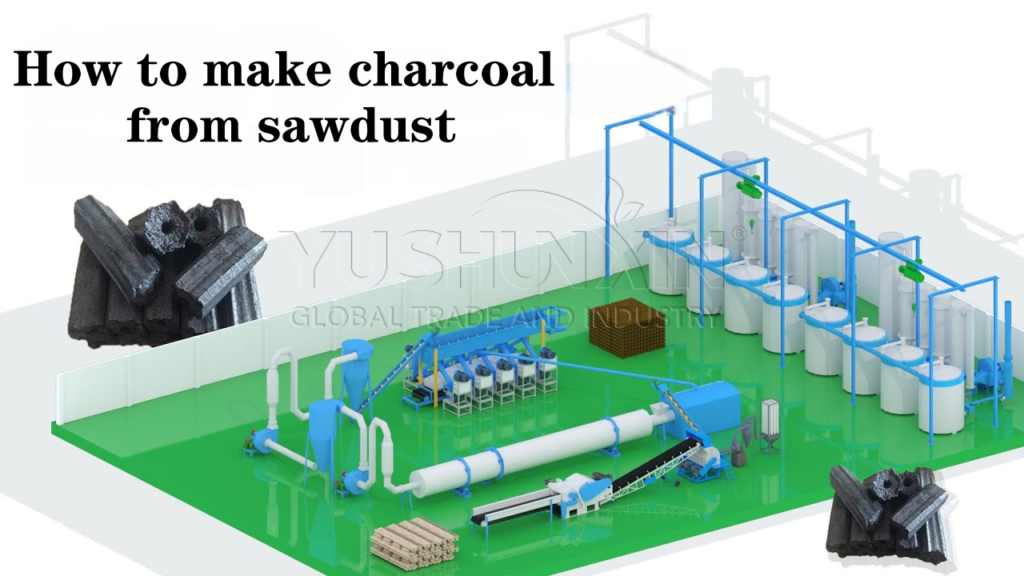
Many buyers quote only the briquette press, but a workable production line often needs more: crushing, drying, mixing, binder dosing, and sometimes carbonization—depending on whether you are using charcoal fines or raw biomass. If your feedstock moisture is high, a dryer becomes a major expense and a major power consumer. You may also need a screening system to ensure consistent particle size, because uneven feed is one of the fastest ways to wear the screw or rollers and produce cracked briquettes.
Operating Costs: Power, Labor, and Wear Parts
A full cost breakdown in 2026 should include electricity (or diesel for some sites), labor for feeding and bagging, and routine wear parts such as screws, sleeves, rollers, rings, and cutting blades. Screw extruders, for example, can be profitable but may require more frequent replacement of high-wear components if you run abrasive charcoal fines. Don’t ignore consumables like binder (starch, molasses, or other agents) and packaging materials, which can noticeably affect your cost per ton even when the machine is efficient.
Installation, Freight, and Compliance: Often Underestimated
Freight, import duties, and local installation can add a meaningful percentage to the total. You may need a concrete foundation, wiring upgrades, dust collection, and fire safety equipment—especially if you store large volumes of fines. In some regions, basic environmental approvals or workplace safety requirements add further costs, but they also reduce risk and improve long-term stability.
Practical Budgeting Tip: Price It Backwards from Your Target Output
To budget accurately, start with your target monthly tonnage and the briquette specification your buyers want (shape, density, ash, moisture). Then match equipment capacity and add the “missing” line items—dryer, mixer, conveyors, dust control, spares, and training. In 2026, the best value is rarely the cheapest machine; it’s the system that produces consistent briquettes at the lowest cost per ton, with manageable maintenance and predictable uptime. Visiting: https://www.char-molder.com/product/charcoal-briquette-machine-price/
Leave a Reply