The advertised price of a charcoal briquette machine is just the starting point. For entrepreneurs and businesses looking to enter the biomass fuel market, understanding the full financial picture—the real cost of ownership—is critical to avoid budget shortfalls and ensure a viable operation. The total investment encompasses the equipment itself, essential auxiliary machinery, and a suite of often-overlooked “hidden” costs that are necessary to get from raw material to a sellable, packaged product.
The Sticker Price: Core Equipment Investment
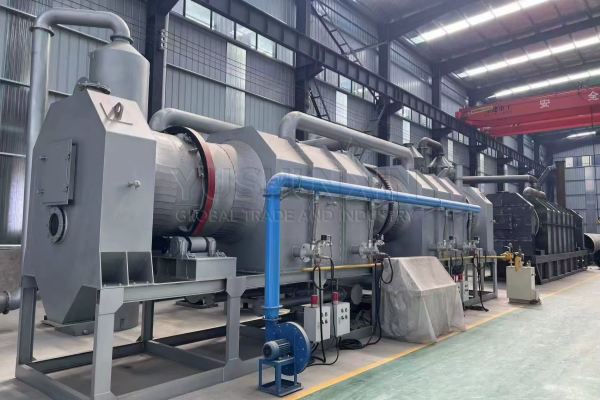
The cost of the central charcoal briquetting press machine varies dramatically based on capacity, automation, and build quality. A small, manually-fed screw press for a micro-enterprise can start as low as $1,500 to $5,000. For serious commercial production, a robust hydraulic or mechanical stamping press capable of outputting 1-2 tons per hour typically ranges from $15,000 to $50,000. Fully automated production lines with integrated feeding and conveying systems can reach $100,000 or more. Crucially, the briquette machine rarely works alone. You must also budget for essential auxiliary equipment: a crusher or hammer mill ($3,000 – $20,000) to prepare raw biomass, a dryer ($5,000 – $30,000) to achieve the critical 8-12% moisture content, and possibly a carbonization furnace ($10,000 – $50,000) if you are producing charcoal powder from scratch, rather than using waste sawdust.
The Hidden Costs: Building a Functional Operation
Beyond machinery lies the true foundation of your budget. These hidden costs are frequently underestimated:
- Raw Material & Pre-Processing: Securing a consistent, low-cost supply of sawdust, rice husks, or agricultural waste is paramount. Costs include not just purchase or collection, but also transportation, storage space (a dry warehouse), and labor for handling.
- Power & Utilities: Briquette machines, especially large hydraulic models, are significant power consumers. High electricity bills can erode profit margins, and a reliable power supply is non-negotiable. Factoring in thousands of dollars per month for utilities is essential.
- Space & Infrastructure: You need more than an empty shed. A functional operation requires a well-ventilated production floor, designated areas for raw material storage, drying, finished product curing, and packaging. Costs include rent, concrete flooring, and possibly electrical upgrades to handle the machinery load.
- Labor & Expertise: Skilled operators are needed to run, maintain, and troubleshoot the machinery. Budget for salaries, training, and safety equipment. Poor operation is a leading cause of low output and machine breakdown.
- Compliance & Packaging: Local business licensing, potential environmental permits for dust or emissions, and investment in professional packaging (bags, branding) to make your product marketable all add to the startup capital.
Total Realistic Investment Range
For a small-scale commercial operation aiming for profitability, the real total startup cost typically falls between $50,000 and $200,000. This comprehensive budget covers a mid-range machine with necessary auxiliary equipment, setup costs, and several months of operating capital. While the initial machine price is the headline figure, success depends on thoroughly planning for the entire ecosystem required to produce a quality briquette consistently and efficiently. Visiting: https://www.char-molder.com/product/charcoal-briquette-machine-price/
Leave a Reply